A typical case, not a client
This study does not describe any real clients and does not report any results obtained from a client: our confidentiality commitments prohibit this. It sets out explicit working hypotheses, then derives orders of magnitude through calculations that you can replicate line by line. During a diagnosis, your figures replace ours.
The modelled situation
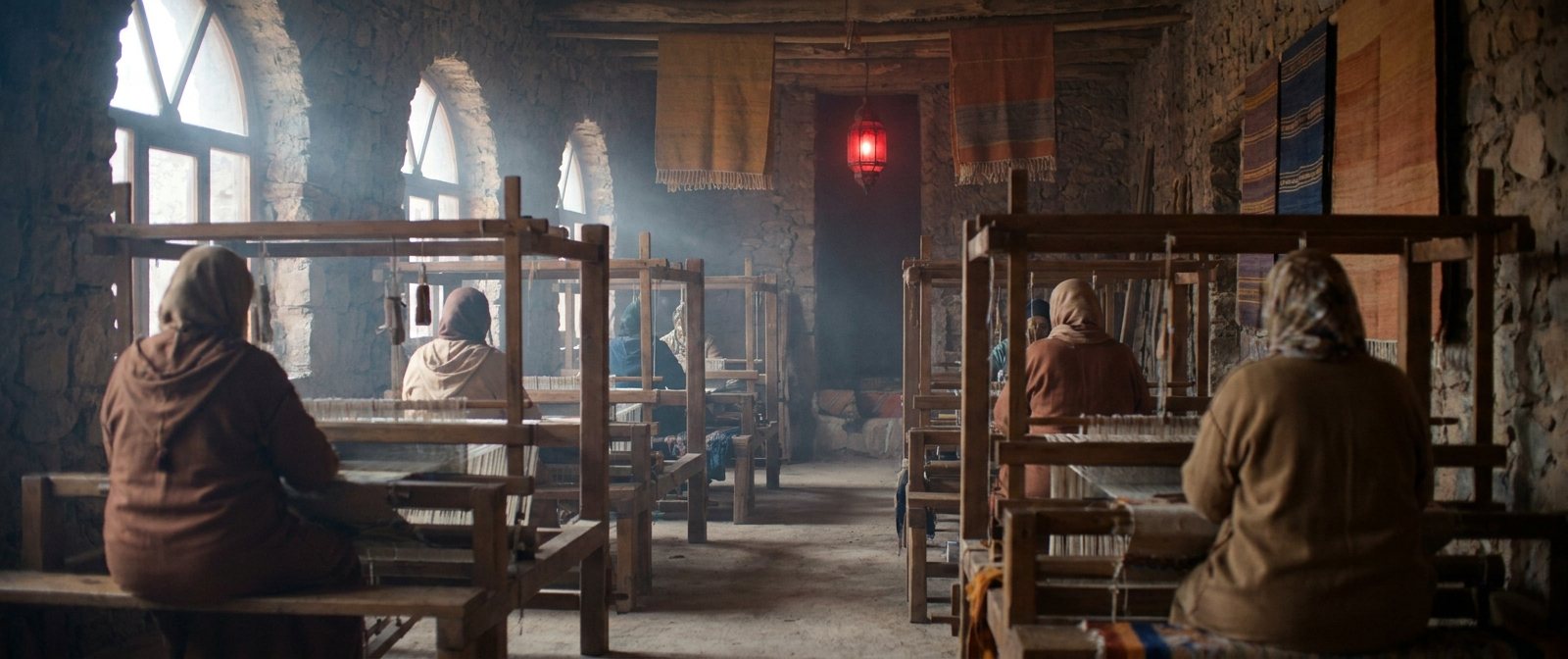
The social economy and craft sector in Morocco is characterised by a great diversity of players, ranging from traditional artisans to modern cooperatives. Despite its potential, this sector suffers from several issues, including limited access to financing, a lack of visibility in markets, and low integration of new technologies. Artisans and cooperatives must also face increased competition, both nationally and internationally. Furthermore, training and skill development remain major challenges to improve the quality of products and services offered. The above assumptions must be taken into account to develop strategies tailored to the specific needs of players in this sector.
| Initial hypothesis | Value | Unit |
|---|---|---|
| Requirements of the specifications to be covered | 45 | requirements |
| Relevant activities and workshops | 8 | activities |
| Members to be trained | 55 | people |
| Evidence documents by requirement | 2 | documents |
Result, line by line
The social economy and craft sectors in Morocco are key for economic and social development. Players in this sector must navigate a complex environment marked by various challenges. By adopting a strategic approach, it is possible to strengthen the resilience and competitiveness of artisans and cooperatives. The above assumptions provide a framework for understanding current issues and developing tailored solutions. Particular attention must be paid to training, access to financing, and innovation to ensure a sustainable future for the social economy and craft sector in Morocco.
| Calculated magnitude | Formula | Result | Unit |
|---|---|---|---|
| Evidence documents to be produced | 45 requirements × 2 documents | 90 | documents |
| Interviews and reviews to be conducted | 8 processes × 2 | 16 | interviews |
| Awareness sessions | 55 people ÷ 15, rounded up | 4 | sessions |
| Control points to be updated | 45 requirements × 8 processes | 360 | points |
What we measure first
Access to financing
Players in the social economy and craft sector face difficulties accessing financing suited to their projects, limiting their investment capacity.
Market visibility
The majority of artisans and cooperatives lack effective marketing strategies, which reduces their visibility and ability to reach new customers.
Skills and training
There is an urgent need for training programmes to improve the technical and commercial skills of artisans to meet market demands.
Competition
Competition, both local and international, poses a significant challenge for artisans, who must differentiate themselves through the quality and innovation of their products.
How the mission unfolds
Strengthening access to financing
Establish partnerships with financial institutions to develop financial products tailored to the needs of social economy players.
Marketing strategies
Support artisans and cooperatives in developing marketing plans to enhance their visibility in local and international markets.
Training programmes
Develop targeted training programmes to enhance the technical and commercial skills of artisans, in collaboration with training centres.
Innovation and quality
Encourage innovation within cooperatives and artisans by supporting research and development projects to improve product quality.
Network creation
Facilitate the creation of networks among artisans, cooperatives, and other sector players to promote the exchange of experiences and best practices.
The indicators implemented
Identified during the diagnosis and monitored throughout the mission: these are what make the result demonstrable, not just declarative.
- Percentage of members trained in best practices
- Traceability of materials and sales
- Compliance rate of products with specifications
- Percentage of revenue from formalised channels
- Number of orders fulfilled on time
What causes this type of project to fail
Lack of clear strategy+
Lack of collaboration+
Inadequacy of products+
Low awareness+
What is being asked of us
How can access to financing for artisans be improved?+
What training is necessary for stakeholders in the social economy?+
How can artisans stand out in the market?+
What role does innovation play in the craft sector?+
Let's redo this calculation with your figures
The diagnosis replaces each hypothesis with data collected from you. It lasts half a day and does not commit you to anything.
Request a diagnosis