A typical case, not a client
This study does not describe any real clients and does not report any results obtained from a client: our confidentiality commitments prohibit this. It sets out explicit working hypotheses, then derives orders of magnitude through calculations that you can replicate line by line. During a diagnosis, your figures replace ours.
The modelled situation
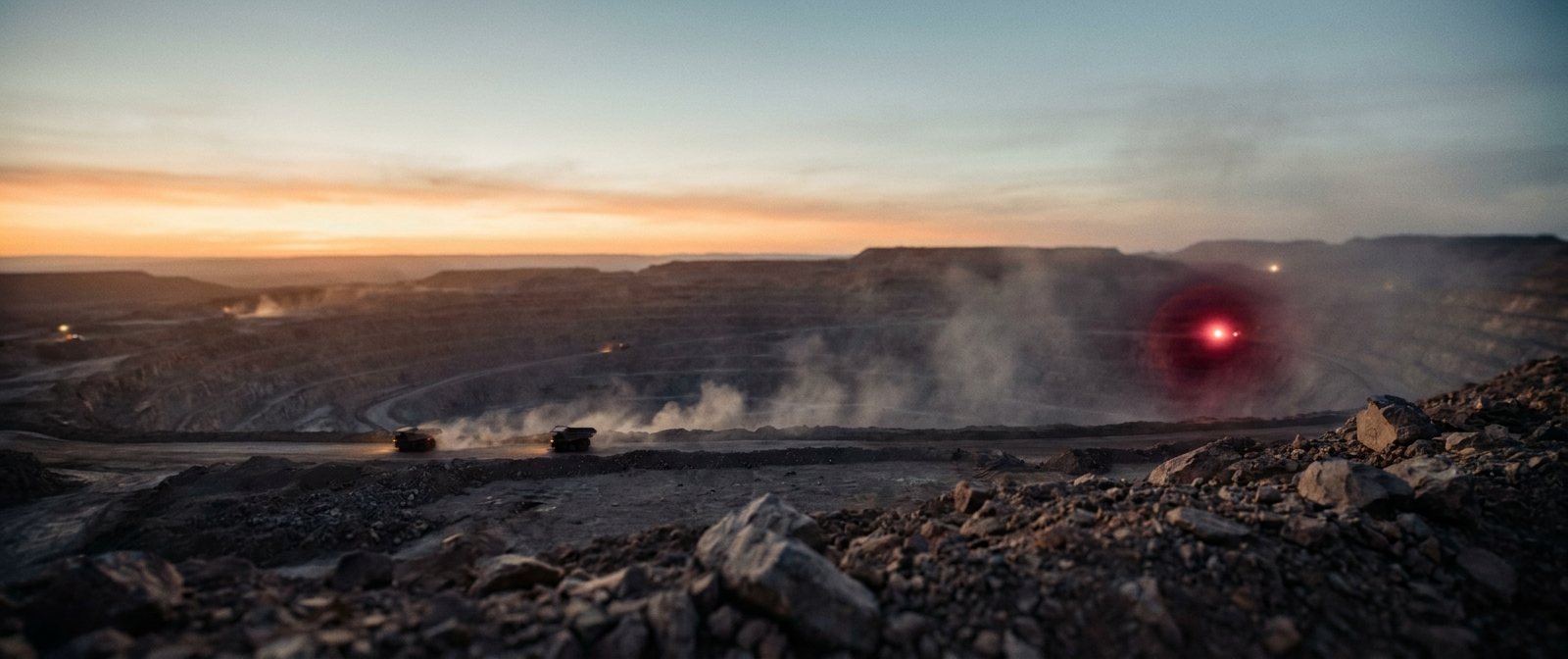
Morocco, rich in natural resources, has implemented ambitious policies to develop its energy sector, particularly through the integration of renewable energies. Companies must adapt to an evolving regulatory framework while responding to a growing energy demand. Challenges include resource management, the investments needed to modernise infrastructure, and the necessity to align operations with strict environmental standards. Meanwhile, the mining sector, with its wealth of phosphates and other minerals, is directly involved in the national economy. However, international competition and fluctuations in global markets require constant vigilance from industry players.
| Initial hypothesis | Value | Unit |
|---|---|---|
| Safety and environmental requirements | 110 | requirements |
| Affected sites and facilities | 9 | sites |
| People to be trained | 130 | people |
| Evidence documents by requirement | 2 | documents |
Result, line by line
This modeled sectoral case study provides an overview of the challenges and opportunities in Morocco's energy and mining sector. By adopting a proactive approach to regulatory and environmental challenges, companies can not only improve their operational performance, but also contribute to the country's sustainable development. The proposed recommendations aim to guide business leaders in implementing appropriate strategies, thereby fostering their resilience and long-term growth. Understanding market dynamics and adapting to new requirements enables seizing the opportunities that arise, while ensuring responsible resource management.
| Calculated magnitude | Formula | Result | Unit |
|---|---|---|---|
| Evidence documents to be produced | 110 requirements × 2 documents | 220 | documents |
| Interviews and reviews to be conducted | 9 processes × 2 | 18 | interviews |
| Awareness sessions | 130 people ÷ 15, rounded up | 9 | sessions |
| Control points to be updated | 110 requirements × 9 processes | 990 | points |
What we measure first
Complex regulation
Companies must navigate a complex regulatory environment, with varying requirements depending on the types of resources exploited.
High investments
The investment needs for modernising infrastructure and adopting clean technologies represent a major challenge.
Sensitivity to market fluctuations
Companies are exposed to fluctuations in raw material prices on the international market, impacting their profitability.
Environmental pressure
Growing expectations regarding sustainability and corporate social responsibility compel companies to reassess their operational practices.
How the mission unfolds
Resource assessment
Conduct an audit of available resources and their potential to optimise their utilisation.
Regulatory compliance
Develop a compliance plan with current regulations to avoid penalties.
Investment in technology
Invest in innovative technologies to improve energy efficiency and reduce environmental impact.
Diversification strategies
Develop strategies to diversify supply sources to mitigate risks related to price fluctuations.
Community engagement
Strengthen engagement with local communities to improve social acceptability of projects.
The indicators implemented
Identified during the diagnosis and monitored throughout the mission: these are what make the result demonstrable, not just declarative.
- Frequency and severity rates of accidents
- Results of regulatory environmental measures
- Completion rate of the maintenance plan
- Number of discrepancies identified during inspection and their closure
- Energy consumption per unit produced
What causes this type of project to fail
Non-compliance with standards+
Poor resource management+
Inability to innovate+
Ignoring social expectations+
What is being asked of us
What are the main challenges facing the energy sector in Morocco?+
How can companies comply with regulatory requirements?+
What is the importance of innovation in this sector?+
How can local communities be involved in mining projects?+
Let's redo this calculation with your figures
The diagnosis replaces each hypothesis with data collected from you. It lasts half a day and does not commit you to anything.
Request a diagnosis