A typical case, not a client
This study does not describe any real clients and does not report any results obtained from a client: our confidentiality commitments prohibit this. It sets out explicit working hypotheses, then derives orders of magnitude through calculations that you can replicate line by line. During a diagnosis, your figures replace ours.
The modelled situation
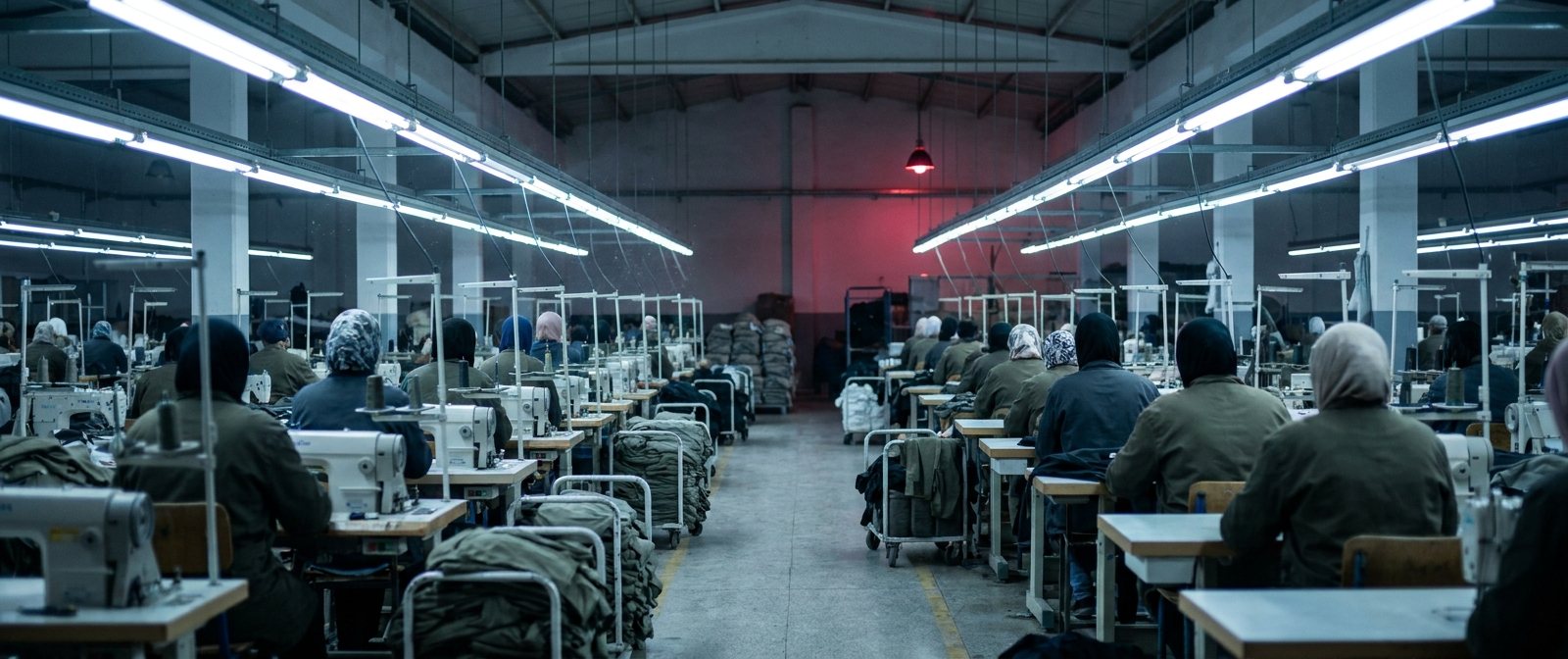
The textile and clothing sector in Morocco features a diverse range of products, from ready-to-wear garments to technical textiles. Companies in this sector face increased competition, both locally and internationally. Issues relating to sustainability, technological innovation and human resources management are becoming increasingly significant. Furthermore, fluctuations in demand on foreign markets, particularly in Europe, directly influence the performance of Moroccan companies. Companies must also adapt to new consumer expectations, which increasingly favour ethical and sustainable practices. In this context, business leaders need to understand market trends and develop appropriate strategies to remain competitive.
| Initial hypothesis | Value | Unit |
|---|---|---|
| Annual turnover | 65 000 000 | MAD |
| Production workforce | 260 | people |
| Scrap and rework rates | 6 | % du CA |
| Treatable share over twelve months | 35 | % |
Result, line by line
This sector case study highlights the challenges and opportunities within the textiles and apparel sector in Morocco. Business leaders must navigate a complex environment characterised by increasing competition and changing consumer expectations. By adopting a proactive approach and focusing on innovation, sustainability, and skill development, companies can not only overcome current challenges but also position themselves favourably for the future. The recommendations proposed in this document aim to provide a strategic framework to assist leaders in making informed decisions and enhancing their competitiveness in the market.
| Calculated magnitude | Formula | Result | Unit |
|---|---|---|---|
| Annual cost of non-quality | 65 000 000 × 6,0 % | 3 900 000 | MAD/year |
| Treatable share in twelve months | 3 900 000 × 35 % | 1 365 000 | MAD/year |
| Equivalent per person | 1 365 000 ÷ 260 | 5 250 | MAD/person |
| Target rate after initiative | 6,0 % − (6,0 % × 35 %) | 3,9 | % du CA |
What we measure first
Increased competition
Companies must contend with intense competition, both nationally and internationally, necessitating a clear differentiation of their offerings.
Sustainability and ethics
Consumer expectations are evolving towards more sustainable practices, prompting companies to rethink their production processes.
Technological innovation
Integrating new technologies into production and distribution improves efficiency and reduces costs.
Human resource management
The sector sometimes suffers from a lack of specific skills, which impacts the quality and productivity of teams.
How the mission unfolds
Market Analysis
Conduct an in-depth study of market trends and consumer expectations to adapt the offering.
Sustainability strategy
Implement sustainable and ethical production practices to meet consumer demands.
Technological investment
Invest in innovative technologies to enhance production and distribution processes.
Training and development
Develop training programmes to enhance employee skills and boost productivity.
Strategic partnerships
Establish collaborations with other industry players to pool resources and share best practices.
The indicators implemented
Identified during the diagnosis and monitored throughout the mission: these are what make the result demonstrable, not just declarative.
- Alteration rates by line and model
- Material yield and waste rates
- Compliance rates with social audits from clients
- On-time delivery rate
- Number of customer complaints per order
What causes this type of project to fail
Lack of innovation+
Ignoring sustainability+
Insufficient training+
Inadequate pricing strategies+
What is being asked of us
How can the Moroccan textile sector stand out in the international market?+
What are the main trends to watch in the sector?+
What are the major challenges companies must face?+
How can companies improve their competitiveness?+
Let's redo this calculation with your figures
The diagnosis replaces each hypothesis with data collected from you. It lasts half a day and does not commit you to anything.
Request a diagnosis